Choosing your first tattoo can feel exciting and overwhelming at the same time. Minimalist fine line tattoos for first timers are a popular option because they offer a clean, subtle look without covering a large area of skin. Simple symbols, delicate flowers, tiny animals, and elegant line art can all create meaningful designs.
The best first tattoo is not necessarily the smallest tattoo. You also need to consider the design, placement, line spacing, your lifestyle, and how the tattoo may look after it heals. Fine line work requires precision, so choosing an artist with strong experience in this style is especially important.
In this guide, you’ll find practical first tattoo ideas, placement suggestions, design tips, pain considerations, and aftercare advice. You’ll also learn what to avoid so your first piece looks intentional and remains easy to live with.
What Are Minimalist Fine Line Tattoos?
Fine line tattoos use delicate, precise lines instead of thick outlines and heavy shading. Many designs use black or gray ink, although color can be incorporated when appropriate. The style works particularly well with simple illustrations, botanical designs, geometric shapes, small animals, celestial symbols, and short lettering.
Minimalist tattoos take that idea a step further by keeping the overall design clean and uncluttered. Instead of filling an area with numerous details, the artist uses negative space, simple shapes, and carefully placed lines to create a recognizable image.
The two terms are related but not identical. A tattoo can be fine line without being minimalist, while a minimalist tattoo can sometimes use thicker traditional lines. For a first tattoo, combining both approaches can create a subtle piece that feels personal without being visually overwhelming.
Why Fine Line Tattoos Are Good for First Timers
One of the biggest attractions of a minimalist tattoo is its understated appearance. If you are nervous about getting something permanent, a small design can feel like an easier introduction to tattooing. You can also choose a placement that is easy to cover when needed.
Simple designs can also make the planning process easier. A tiny wave, crescent moon, flower stem, or geometric symbol has fewer visual elements than a large illustrative tattoo. However, simplicity does not mean the tattoo is easy to execute. Fine lines require careful technique, appropriate spacing, and an artist who understands how the design should heal.
Fine line tattoos are also relatively quick when the design is small. Your actual session time depends on the artist, placement, size, and complexity, so it is better to ask the studio for an estimate rather than assuming every tiny tattoo will take the same amount of time.
25+ Minimalist Fine Line Tattoo Ideas
If you are searching for minimalist first tattoo ideas, start with a concept that has personal meaning but can still be simplified. Here are some designs worth considering:
- Tiny Crescent Moon — A simple crescent represents change, growth, or new beginnings.
- Minimalist Sun — A small sun can symbolize energy, optimism, and warmth.
- Single-Line Heart — A clean heart outline is classic without feeling complicated.
- Tiny Wave — Great for someone connected to the ocean, travel, or a calm mindset.
- Mountain Outline — A simple mountain range can represent adventure, resilience, or personal goals.
- Botanical Sprig — Olive, lavender, eucalyptus, or a custom leaf can create an elegant look.
- Small Wildflower — Choose a flower that has personal symbolism.
- Minimalist Butterfly — A delicate butterfly can represent transformation and freedom.
- Tiny Star — One small star or a tiny group of stars works well for a subtle design.
- Constellation — Connect a few small dots with fine lines for a personalized celestial tattoo.
- Simple Arrow — An arrow can represent direction, progress, or moving forward.
- Tiny Feather — A minimalist feather offers a delicate nature-inspired option.
- One-Line Face — Continuous-line facial art creates a modern and artistic result.
- Small Bird — A tiny flying bird can symbolize freedom and independence.
- Minimalist Cat or Dog — Use a few defining lines to create a simple tribute to a pet.
- Roman Numerals — A meaningful date can be transformed into discreet lettering.
- Initials — One or two carefully designed initials can carry personal meaning.
- Tiny Semicolon — A small punctuation-inspired design can have deeply personal symbolism.
- Simple Eye — A minimalist eye can create a mysterious and artistic aesthetic.
- Tiny Anchor — A clean anchor design can represent stability and grounding.
- Minimalist Compass — Ideal for travelers or anyone who values direction.
- Small Infinity Symbol — A simple infinity shape can represent continuity or lasting connection.
- Geometric Triangle — A clean triangle can symbolize balance, strength, or change.
- Tiny Planet — A small planetary design works well for space lovers.
- Simple Coffee Cup — A playful choice for someone who wants something personal rather than symbolic.
- Minimalist Snake — A small curved snake can represent transformation and renewal.
- Tiny Paw Print — A subtle choice for animal lovers.
- Simple Branch — A few leaves on a curved branch can look elegant and timeless.
The strongest choice is usually a design that remains recognizable without needing dozens of tiny details. Very small tattoos have limited space, so excessive detail can become difficult to preserve as the tattoo ages.
Best Tattoo Placements for Beginners
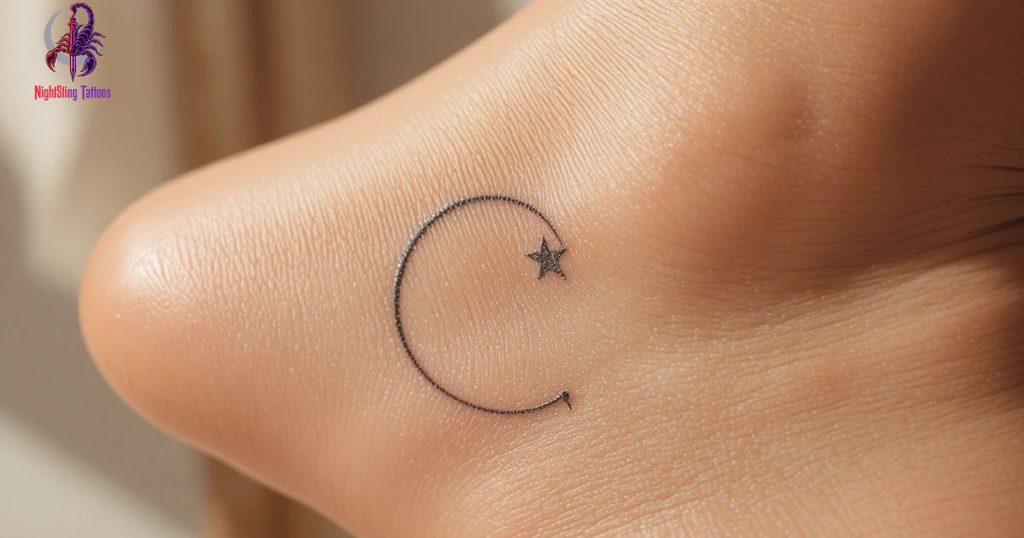
Placement can change how a first tattoo looks, feels, and ages. Common beginner-friendly areas include the outer forearm, upper arm, shoulder, calf, and some areas of the ankle. These locations can offer enough relatively stable skin for a simple design while allowing you to control how visible the tattoo is.
The wrist is another popular choice because it works naturally with small designs. However, hands and fingers require more consideration because they experience frequent movement, washing, friction, and exposure. Tattoos in areas such as fingers and feet can fade faster than tattoos in some other locations.
Think about your everyday routine before choosing a placement. If you work outdoors, exercise frequently, or regularly wear clothing that rubs against a particular area, discuss those factors with your tattoo artist.
Read Also: 21 Mountain Tattoo Ideas: Meaningful, Minimalist & Adventurous Designs
How Painful Are Fine Line Tattoos?
Tattoo pain varies from person to person, so there is no universal pain rating for every placement. Fine line tattoos are often relatively quick when they are small, which can make the overall experience feel manageable for someone getting tattooed for the first time.
The location matters more than the style alone. Areas with thinner skin, more bone, or greater sensitivity may feel more uncomfortable than areas with more cushioning. Your artist can also explain what to expect based on the exact placement and size.
If you are nervous, avoid choosing a difficult placement simply because it looks good in a reference photo. A comfortable, practical location can make your first tattoo experience much less stressful.
How to Choose the Right Design
Start with meaning rather than trends. Pinterest and social media can provide inspiration, but a design that looks beautiful on someone else may not have the same significance for you. Save several references and look for common themes rather than copying one tattoo exactly.
Consider whether the design will still make sense if it becomes slightly softer with age. Simple shapes, clear spacing, and readable outlines generally give an artist more room to create a tattoo that remains visually understandable.
Size is also important. Making a complex design extremely tiny may sound appealing, but shrinking every detail into a miniature space can work against the tattoo. Ask your artist whether your preferred design needs to be slightly larger for better clarity.
A useful approach is to live with your idea for a few weeks. Put the design on your phone wallpaper, print it, or use a temporary version on the intended area. If you still love it after seeing it repeatedly, you are more likely to feel confident about the permanent version.
How to Choose a Fine Line Tattoo Artist
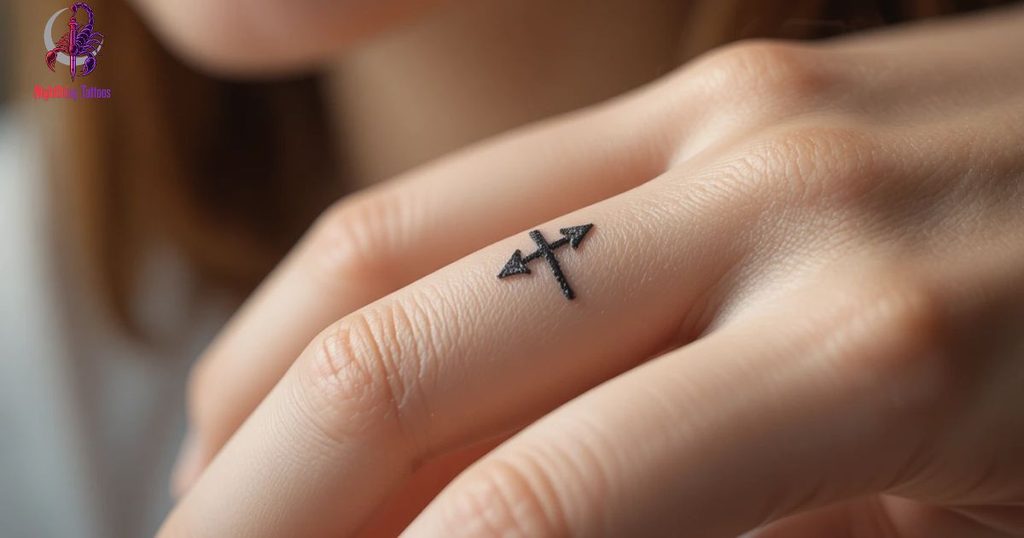
The artist you choose can have a major impact on the result. Do not select an artist only because their fresh tattoo photographs look attractive. Look for a portfolio showing healed fine line tattoos, because healed work gives you a better idea of how their lines and details settle over time.
Pay attention to consistency. Look for clean curves, controlled line weight, appropriate spacing, and designs that remain readable after healing. Ask whether the artist regularly works with small minimalist pieces rather than assuming every tattoo artist specializes in fine line.
Hygiene should also be a priority. Tattooing breaks the skin, so professional sanitation practices matter. The FDA notes that tattoo inks can carry contamination risks and that adverse reactions can occur.
Before booking, you can ask:
- How often do you tattoo fine line designs?
- Can I see healed examples?
- What size would you recommend for my design?
- Which placement would work best?
- Do you offer touch-ups?
- What aftercare products do you recommend?
A good artist should be comfortable discussing these questions instead of rushing you into an appointment.
Fine Line Tattoo Longevity and Fading
One of the biggest misconceptions about fine line tattoos is that they will always look exactly like the fresh tattoo photograph. Tattoos naturally change as the skin heals and ages, and delicate lines can become less crisp over time.
Very small designs also have less room for visual separation. If several tiny details are packed closely together, they may become harder to distinguish as the tattoo settles. This is why long-term design planning matters more than simply choosing the smallest possible version.
Sun exposure is another important consideration. Ultraviolet light can fade tattoo ink, and the American Academy of Dermatology recommends protecting tattooed skin with broad-spectrum, water-resistant SPF 30 or higher when exposed to the sun.
Some tattoos may eventually benefit from a touch-up. That does not necessarily mean the original tattoo was badly done. Your skin, placement, sun exposure, lifestyle, and the tattoo itself all influence how it changes over time.
First Tattoo Aftercare Tips
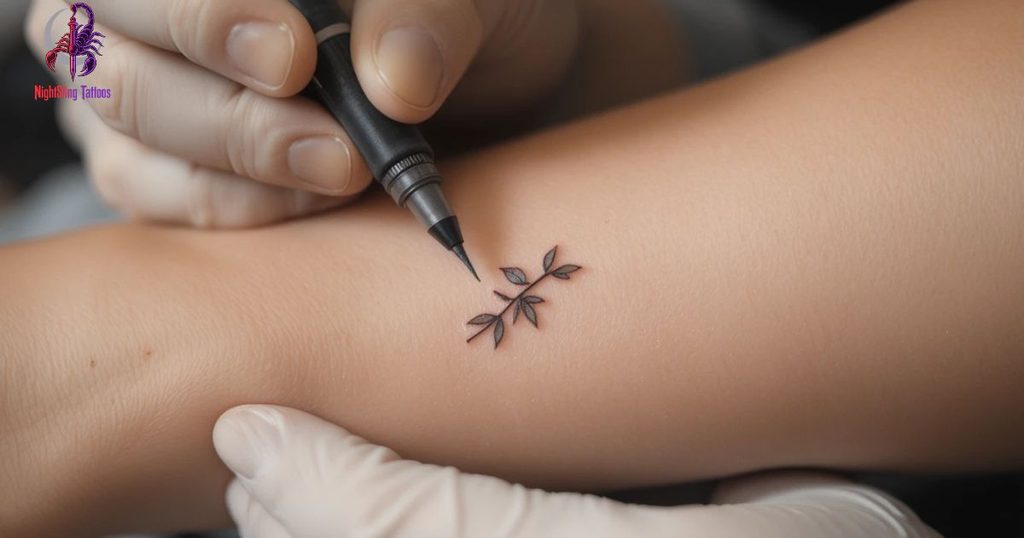
Aftercare starts immediately after your appointment. Follow the specific instructions provided by your tattoo artist because bandaging methods can vary. Avoid touching the new tattoo unnecessarily and keep the area clean while it heals.
Once your artist says it is appropriate to remove the covering, gentle washing and suitable moisturization are generally part of basic tattoo care. Avoid picking flakes or scabs, and give the skin time to heal naturally. Dermatologists also recommend keeping tattooed skin protected from excessive sun exposure.
Important aftercare habits include:
- Wash the area gently as instructed.
- Keep your hands clean before touching the tattoo.
- Avoid picking or scratching peeling skin.
- Follow your artist’s instructions about moisturizer.
- Avoid unnecessary sun exposure while healing.
- Do not soak a fresh tattoo in pools, hot tubs, or baths unless your professional advises that it is safe.
- Watch for unusual symptoms rather than assuming every reaction is normal.
Some redness, soreness, swelling, itching, and flaking can occur during normal healing. However, if the tattoo develops concerning symptoms such as worsening redness, significant swelling, a rash, or fever, contact a healthcare professional.
[Video Suggestion: Beginner’s guide to fine line tattoo preparation, placement, healing, and aftercare]
Common Mistakes First Timers Should Avoid
The most common mistake is choosing a design because it is trending instead of choosing something you genuinely want. Trends change quickly, while tattoos are permanent. Give yourself time to decide.
Another mistake is asking for an extremely detailed design at an extremely small size. Fine line tattoos look delicate, but that does not mean every image should be reduced to thumbnail size. Your artist may recommend increasing the size or simplifying certain details.
Avoid choosing an artist based only on price. A small tattoo may take less time than a large piece, but precision still matters. Experience with fine line work is more important than finding the cheapest appointment.
Finally, do not ignore aftercare. A beautiful tattoo still needs proper healing conditions. Following professional aftercare instructions and protecting healed skin from excessive UV exposure can help maintain its appearance.
Frequently Asked Questions
Are minimalist fine line tattoos good for first timers?
Yes. Their subtle appearance and relatively simple designs make them an appealing choice for people getting their first tattoo. The key is choosing an experienced artist and a design that is not overly detailed for its size.
What is the best first fine line tattoo?
There is no single best design. Small flowers, waves, stars, moons, mountains, animals, initials, and simple geometric symbols are popular choices because they can be personalized without requiring excessive detail.
Where should I get my first fine line tattoo?
The outer forearm, upper arm, shoulder, and calf can be practical options. Your artist should consider your design, skin, lifestyle, and expected sun or friction exposure before recommending a specific location.
Do fine line tattoos hurt less?
Pain varies according to the person and placement. A small fine line tattoo may involve a shorter session, which can make the experience easier for some first timers, but the tattoo style itself does not guarantee a painless experience.
Do fine line tattoos fade?
Yes, all tattoos change over time, and delicate tattoos can become lighter or less defined. Sun exposure can accelerate fading, so protecting healed tattooed skin from UV exposure is important.
Conclusion
Minimalist fine line tattoos for first timers can be an excellent introduction to tattooing when the design, size, placement, and artist are chosen carefully. Small flowers, celestial symbols, simple animals, waves, mountains, and meaningful lettering can all create personal tattoos without an overwhelming look. The goal should be a design that is simple enough to work at its intended size while still having meaning for you.
Before booking, spend time researching healed work, discussing your idea with an experienced artist, and choosing a practical placement. Once you have your tattoo, follow professional aftercare guidance and protect the healed skin from excessive sun exposure. A thoughtful design and realistic expectations can help make your first tattoo something you will be happy to wear for years.