A black out tattoo is a bold tattoo style that uses large areas of solid black ink to cover the skin. Some people choose a black out tattoo for its clean, dramatic appearance, while others use it to cover old tattoos they no longer want. This style can look simple, modern, and powerful.
Blackout tattoos are different from traditional tattoos because they focus on filling an area with solid black rather than creating detailed pictures or colorful designs. Some cover an entire arm or leg, while others feature smaller black sections, geometric shapes, or negative-space patterns.
If you are thinking about getting a black out tattoo, it is important to understand its meaning, design options, pain level, cost, and healing process. This guide covers the main things to consider before choosing this distinctive tattoo style.
What Is a Blackout Tattoo?
A black out tattoo uses black ink to cover a large section of skin almost completely. The tattoo may cover a forearm, upper arm, full sleeve, leg, chest, or another body area.
Some designs use only solid black ink, while others leave parts of the skin uninked to create patterns. The final look depends on the placement, size, and amount of negative space.
Blackout tattoos can be a standalone style or a way to cover older tattoos. Because they require extensive ink coverage, they should be planned carefully with an experienced tattoo artist.
Blackout Tattoo Meaning
A black out tattoo can have different meanings depending on the person wearing it. There is no single meaning that applies to everyone.
Some people see black ink as a symbol of strength, confidence, mystery, or personal transformation. Others choose this style because they appreciate its minimalist appearance or want to cover a tattoo connected to an earlier stage of life.
For some, the design represents a fresh start. For others, it is simply an artistic choice without a deeper personal message.
Why Do People Get Blackout Tattoos?
People choose black out tattoos for several reasons. The style can make a strong visual statement, and it offers a different approach to body art.
- Cover-up purposes: Hide an older tattoo that no longer fits their taste.
- Minimalist appearance: Create a simple design with a strong contrast.
- Personal transformation: Mark a new chapter in life.
- Bold style: Make a dramatic statement through solid black ink.
- Artistic expression: Explore shapes, contrast, and negative space.
- Personal preference: Choose a tattoo style that feels right to them.
A blackout tattoo is a long-term decision, so it is worth considering how the design will fit your preferences over time.
Blackout Tattoo Designs
Blackout tattoos come in several forms, from small sections of solid black to large areas covering entire limbs. The right design depends on your preferred look and the amount of skin you want to cover.
1. Full Blackout Sleeve Tattoo
A full blackout sleeve covers most or all of the arm with solid black ink. It creates a dramatic, uniform appearance and can extend from the shoulder to the wrist.
Some people keep the entire sleeve solid black, while others add skin breaks, lines, or geometric shapes. Because a full sleeve covers a large area, it usually requires multiple sessions.
2. Half Sleeve Blackout Tattoo
A half sleeve covers either the upper arm or the lower arm. It offers a bold look without covering the entire arm.
This option can work for people who want a substantial black tattoo but prefer to leave some skin uncovered. Your artist can help determine how the design will connect with any existing tattoos.
3. Forearm Blackout Tattoo
A forearm blackout tattoo covers part or all of the forearm in solid black. It is a noticeable placement, especially when the design extends toward the wrist.
Some people choose a completely filled forearm, while others leave a narrow strip of skin to create contrast. Think about workplace dress codes and how often you want the tattoo to be visible.
4. Full Blackout Arm Tattoo
A full blackout arm tattoo extends across the upper and lower arm, potentially including the shoulder and wrist area. The continuous black coverage creates a strong, unified appearance.
This is a major tattoo project. It often involves several appointments, careful skin recovery, and a significant financial commitment.
5. Blackout Leg Tattoo
A blackout leg tattoo covers a portion of the thigh, calf, or lower leg. The larger surface area allows for solid black coverage or designs that combine black sections with exposed skin.
Some people choose a single section of the leg, while others plan a full-leg project. Clothing, movement, and healing needs should all be considered before selecting the placement.
6. Blackout Calf Tattoo
A calf blackout tattoo covers part or all of the back or side of the lower leg. It can be easier to conceal than a forearm tattoo, depending on clothing.
The calf has a curved shape, so the artist must plan the coverage to look consistent from different angles. Large designs may need more than one session.
7. Blackout Hand Tattoo
A hand blackout tattoo creates a striking appearance because the hands are regularly visible. It may cover the back of the hand or extend toward the fingers.
Hand tattoos can fade unevenly and may require touch-ups. Consider visibility, professional expectations, and the difficulty of healing an area that is used constantly.
8. Blackout Chest Tattoo
A chest blackout tattoo uses solid black ink across part of the chest or a larger area of the upper torso. The design may be symmetrical or follow the natural shape of the body.
Chest tattoos can involve sensitive areas and a substantial amount of skin. Discuss placement, session length, and recovery with your artist before starting.
9. Blackout Back Tattoo
A blackout back tattoo covers a large section of the back with solid black ink. It can create a simple, expansive design without traditional outlines or imagery.
Because the back offers a large canvas, planning is essential. Large-scale coverage often requires multiple sessions and extra attention to aftercare.
10. Small Blackout Tattoo
A small blackout tattoo uses a compact patch or shape of solid black ink. It can be placed on the wrist, ankle, upper arm, or another small area.
This style may suit people who like the blackout look but are not ready for a full sleeve. Even a small solid-black tattoo should be planned carefully because removing or changing it later can be difficult.
Blackout Tattoo With Negative Space
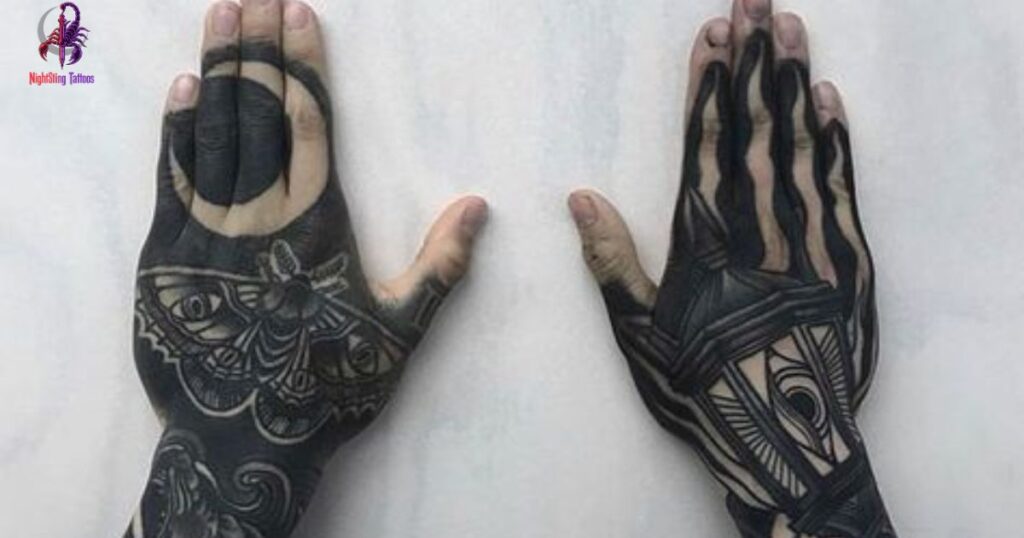
Negative space means leaving parts of the skin without ink so they form a visible design against the black background. This technique can make a blackout tattoo more distinctive.
Popular negative-space ideas include:
- Thin horizontal or vertical lines
- Geometric shapes
- Triangles and circles
- Abstract patterns
- Waves and curved lines
- Stars and simple symbols
- Stripes that follow the arm or leg
- Symmetrical shapes around a joint
Negative space should be designed before the tattoo begins. The artist needs to consider how the pattern will look when the arm or leg bends and moves.
Geometric Blackout Tattoo
A geometric blackout tattoo combines solid black coverage with shapes such as triangles, squares, circles, or intersecting lines. The contrast gives the design a structured appearance.
Some designs use a black background with exposed-skin shapes. Others combine several black sections to create a balanced pattern.
This option may appeal to people who prefer modern, abstract body art instead of traditional pictures.
Blackout Tattoo With White Ink
Some blackout tattoos include white ink to create contrast against the black background. The result can look striking, but white ink does not always remain bright or sharply defined over time.
Healing, skin tone, ink placement, and individual skin response can affect the final appearance. White ink over healed black ink may behave differently from white ink applied to untreated skin.
Discuss realistic results with an experienced artist before choosing this approach.
Relevant Post…………..Infidel Tattoo: Meaning, History, Designs, and Symbolism
Blackout Tattoo Cover-Up
One common reason people get blackout tattoos is to cover an older design. Solid black coverage can conceal many existing tattoos, especially when the old design is dark or complex.
However, not every tattoo can be covered successfully without additional treatment. Older ink may still affect the final result, and some people consider laser fading before beginning a blackout project.
Before choosing a cover-up, ask your artist to assess the old tattoo, your skin, and the amount of black coverage required. A consultation can help you understand what is realistic.
Blackout Tattoo Before and After
Before getting a blackout tattoo, the skin may contain an older tattoo or have no ink at all. After the procedure, the area will usually look very dark and may appear red, swollen, or irritated during the early healing period.
The final appearance develops as the skin heals. Some areas may heal differently from others, and uneven patches may require an assessment by the artist.
Take photographs during healing if your artist recommends it, and follow their instructions rather than judging the final result too early.
Blackout Tattoo for Men
Blackout tattoos are popular among people who prefer bold, high-contrast body art. Some men choose full sleeves, forearm coverage, chest panels, or large geometric patterns.
Possible ideas include:
- Full black arm sleeve
- Blackout forearm with a narrow skin break
- Geometric black upper arm
- Blackout calf or lower leg
- Solid black shoulder section
- Blackout design combined with an existing sleeve
These designs are not limited to men. Anyone can choose a blackout tattoo based on personal taste and placement preferences.
Blackout Tattoo for Women
Women may choose blackout tattoos for their bold appearance, minimalist style, or cover-up potential. Smaller sections can provide a different look from a full sleeve.
Ideas include:
- Small solid-black wrist section
- Blackout forearm with thin negative-space lines
- Black upper-arm panel
- Blackout ankle or calf
- Abstract black shapes
- Geometric sleeve with exposed-skin patterns
The best design depends on the individual’s style, body placement, and desired level of coverage rather than gender.
Minimalist Blackout Tattoo
A minimalist blackout tattoo uses a limited area of solid black ink rather than covering a large part of the body. The design may be a small rectangle, band, stripe, or simple abstract shape.
This approach can create a clean look without the commitment of a full sleeve. It is still important to consider visibility and permanence, especially if the tattoo is placed on the wrist, hand, or neck.
Blackout Band Tattoo
A blackout band tattoo wraps a solid black strip around the arm, wrist, leg, or another body part. Some people choose one thick band, while others prefer multiple thinner bands.
Band tattoos can be simple and easy to recognize, but placement matters. The artist must ensure that the lines look even and connect properly around the body.
Abstract Blackout Tattoo
An abstract blackout tattoo focuses on shapes, contrast, and visual balance rather than recognizable objects. It may combine large black patches, curves, sharp edges, and irregular forms.
Abstract designs allow more room for personal expression. They can be completely solid or include exposed skin to break up the dark areas.
Blackout Tattoo With Existing Tattoos
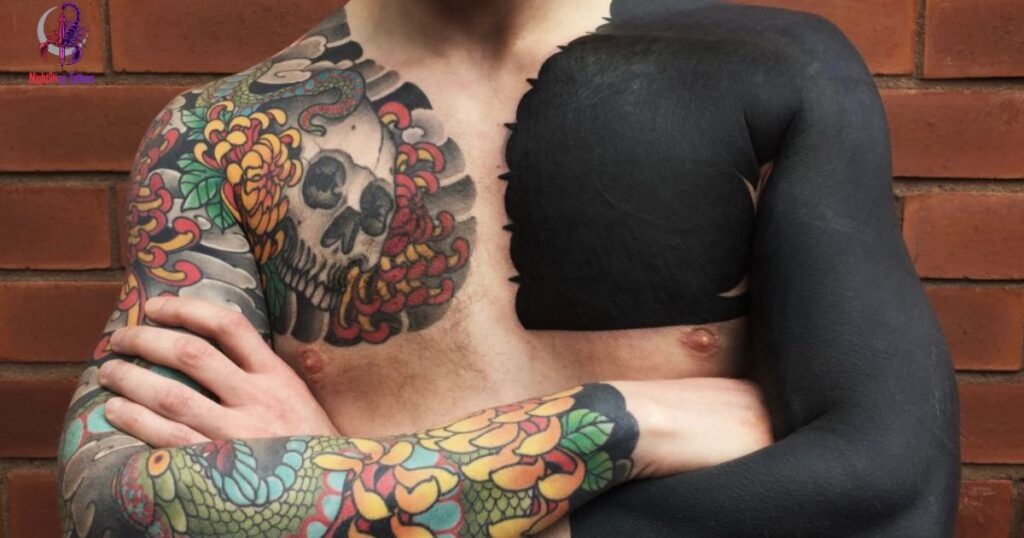
If you already have tattoos, blackout ink may be used to cover selected areas or create a unified design across several older pieces.
The challenge is that existing outlines, colors, and darker areas can affect the coverage. Your artist may suggest adjusting the shape, adding negative space, or considering laser fading first.
Bring clear photographs of the existing tattoos to your consultation. Ask how much of the original design is likely to remain visible after healing.
Blackout Tattoo Pain Level
A blackout tattoo can be painful because the artist needs to fill large areas of skin with dense ink. The experience varies depending on the location, size of the tattoo, technique, and personal pain tolerance.
Areas close to bone, such as the wrist, ankle, elbow, and shin, may feel more uncomfortable for some people. Large projects can also become harder to tolerate as a session continues.
You can discuss breaks and session length with your artist. Avoid using numbing products unless your tattoo professional confirms that a particular product is appropriate for your procedure.
Blackout Tattoo Cost in the USA
The cost of a blackout tattoo varies widely based on the artist’s hourly rate, the size of the area, location, and number of sessions required.
| Tattoo size | General cost estimate in the US |
| Small blackout section | 100–300 |
| Medium blackout area | 300–800 |
| Half sleeve | 600–1,500+ |
| Full sleeve | 1,000–3,000+ |
| Large leg or body coverage | 2,000–5,000+ |
These are broad planning estimates, not fixed quotes. Some artists charge more, and extensive work can cost substantially more depending on the time involved.
Ask for a consultation and written estimate before booking. You should also account for possible touch-ups and aftercare supplies.
How Long Does a Blackout Tattoo Take?
A small blackout design may take one session, while a full sleeve or large body area may require several appointments. The total time depends on the size of the tattoo, skin response, artist technique, and how long each session can safely continue.
Your artist may spread sessions out to allow the skin to recover. Avoid rushing a large project just to finish it quickly.
Blackout Tattoo Healing Process
Blackout tattoos need careful aftercare because they involve dense ink coverage and may cover a large skin area.
First Few Days
The tattoo may be red, tender, swollen, or warm immediately after the session. A small amount of clear fluid or ink mixed with plasma can appear during early healing.
Follow your artist’s cleaning and dressing instructions. Wash your hands before touching the tattoo and avoid unnecessary contact with the area.
First Two Weeks
The skin may peel, flake, or feel itchy as it heals. Do not scratch, pick at scabs, or try to remove peeling skin.
Wear loose clothing that does not rub against the tattoo, and avoid swimming or soaking the area until it has healed sufficiently.
After Two Weeks
Some tattoos look much better after the first couple of weeks, but deeper healing can take longer. Large blackout areas may need additional time before the skin feels completely normal.
Follow your artist’s advice about returning for another session. The skin should be adequately healed before more tattooing takes place.
Blackout Tattoo Aftercare Tips
Good aftercare helps support healing and reduces the risk of irritation or infection.
- Follow the tattoo artist’s specific cleaning instructions.
- Wash your hands before touching the tattoo.
- Use only the recommended gentle cleanser and aftercare product.
- Do not scratch, pick, or peel the skin.
- Avoid swimming, hot tubs, and soaking during healing.
- Wear clean, loose clothing over the tattoo.
- Keep the healing skin away from unnecessary friction.
- Avoid direct sun exposure while the tattoo heals.
- Do not apply harsh chemicals or unapproved products.
- Contact a healthcare professional if you notice worsening redness, spreading warmth, pus, fever, or increasing pain.
Seek prompt medical advice if symptoms suggest an infection or an unusual reaction.
Can a Blackout Tattoo Be Removed?
Blackout tattoos can be difficult to remove because they contain dense black pigment over a large area. Laser tattoo removal may lighten the ink, but complete removal is not guaranteed.
Removal often requires multiple sessions, can be expensive, and may cause changes in skin texture or pigmentation. Large blackout tattoos may be particularly challenging.
If you are unsure about getting one, consider the long-term commitment before booking. If you already have a blackout tattoo and want it removed, consult a qualified laser-removal professional about realistic outcomes.
Can You Cover a Blackout Tattoo With Another Tattoo?
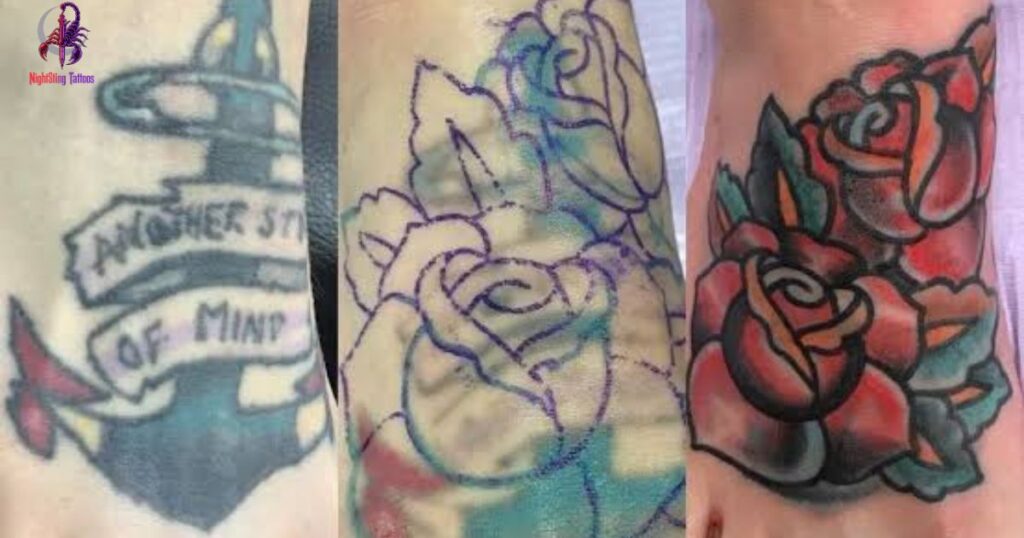
Covering a blackout tattoo with a detailed design is usually challenging because the dark ink can hide new outlines and colors. A tattoo artist may suggest laser fading before attempting a new cover-up.
Some artists use negative space or limited contrasting elements, but results depend on the original tattoo and the new design. Do not assume that another tattoo can easily conceal a large solid-black area.
Ask an experienced cover-up specialist to evaluate the tattoo in person.
Is a Blackout Tattoo Safe?
Getting a tattoo involves risks, including infection, allergic reactions, scarring, and skin irritation. Large blackout tattoos require extensive work, so choosing a reputable studio and following aftercare instructions is important.
Check that the studio uses sterile equipment, fresh needles, appropriate ink-handling practices, and clean work surfaces. Ask questions if you are unsure about hygiene or the artist’s experience.
If you have a skin condition or a medical concern that may affect healing, speak with a healthcare professional before getting tattooed.
Blackout Tattoo Pros and Cons
| Pros | Cons |
| Bold, distinctive appearance | Requires a permanent commitment |
| Can cover some old tattoos | Cover-ups may be difficult |
| Works with minimalist or abstract styles | Large projects can be expensive |
| Can incorporate negative space | Dense coverage may be painful |
| Does not depend on detailed imagery | Removal can be challenging |
| Can create a unified look | Healing requires careful aftercare |
Considering both sides can help you decide whether this style matches your preferences and long-term plans.
How to Choose the Right Blackout Tattoo Artist
Choosing an experienced artist is especially important for a large blackout tattoo. Even coverage, clean edges, and appropriate technique can affect the finished result.
Look for an artist who has a portfolio of healed blackout work, not only fresh tattoos. Healed photographs can show how evenly the black areas settle after recovery.
Ask about their experience with large coverage, expected session count, pricing, aftercare, and how they handle existing tattoos. A good consultation should give you time to discuss concerns without feeling pressured.
Questions to Ask Before Getting a Blackout Tattoo
Before booking, ask your artist:
- How many sessions will my design require?
- What is the estimated total cost?
- Will my existing tattoo show through?
- Would laser fading improve a cover-up?
- How long should I allow for healing?
- What aftercare products do you recommend?
- Will the design need touch-ups?
- Can I see examples of your healed blackout tattoos?
- What are the limitations of this design?
- What should I do if healing does not look normal?
Clear answers can help you prepare for the process and avoid unrealistic expectations.
Frequently Asked Questions About Blackout Tattoos
What does a black out tattoo mean?
A black out tattoo may represent strength, transformation, simplicity, or a fresh start. For some people, it is simply an artistic choice or a way to cover an older tattoo.
Why do people get blackout tattoos?
People choose them for their bold appearance, minimalist style, personal meaning, or cover-up potential. The reason varies from person to person.
How much does a blackout tattoo cost?
A small design may cost a few hundred dollars, while a full sleeve or large area can cost several thousand. The final price depends on the artist, location, size, and number of sessions.
Is a blackout tattoo more painful than a regular tattoo?
It can be, especially when a large area needs dense coverage. Pain varies by placement, session length, technique, and personal tolerance.
How long does a blackout tattoo take to heal?
The surface may heal over a few weeks, but complete recovery can take longer. Large designs may need extra time before another session.
Can a blackout tattoo cover an old tattoo?
Yes, blackout ink can cover many existing tattoos, but the results depend on the original design, colors, and size. Some tattoos may need laser fading first.
Can you remove a blackout tattoo?
Laser removal may lighten a blackout tattoo, but removal can be difficult and may require many sessions. Complete removal is not guaranteed.
Do blackout tattoos fade?
Like other tattoos, blackout tattoos can change in appearance over time. Sun exposure, skin changes, and ink settling can affect their look.
Can you add white ink to a blackout tattoo?
Some artists use white ink for contrast, but it may not stay bright or sharply defined. Discuss the likely healed result with an experienced tattoo artist.
Are blackout tattoos expensive?
Large blackout tattoos can be expensive because they require significant time and ink. Smaller designs generally cost less, although studio minimums still apply.
Can anyone get a blackout tattoo?
Many adults can choose this style, but skin conditions, healing concerns, and personal circumstances may affect whether tattooing is appropriate. A qualified artist or healthcare professional can advise when needed.
What should I avoid after getting a blackout tattoo?
Avoid scratching, picking, soaking, swimming, and direct sun exposure while the tattoo heals. Follow the aftercare instructions provided by your artist.
Conclusion
A black out tattoo is a distinctive style built around solid black ink, bold coverage, and strong contrast. It can be a small minimalist design, a full sleeve, a leg tattoo, or a cover-up for older body art.
Before choosing a blackout tattoo, consider its meaning, placement, cost, pain level, healing time, and difficulty of removal. Work with an experienced tattoo artist, ask questions during your consultation, and follow proper aftercare instructions.
Whether you prefer a simple black band or a full blackout sleeve, thoughtful planning can help you choose a design that suits your style and long-term preferences.