Maori tattoos are known for their bold black patterns, curved lines, and detailed shapes. These tattoos have a deep connection to Maori culture, identity, family, and personal history. Many people in the United States also explore Maori-inspired designs because of their strong appearance and symbolic meaning.
If you are looking for a Maori tattoo, you can choose from small wrist designs, detailed forearm patterns, full sleeves, or large shoulder tattoos. Each design can have a different meaning depending on its symbols, placement, and cultural context. Understanding these details can help you choose a tattoo that looks beautiful and shows respect for its origins.
In this guide, you will discover popular Maori tattoo designs, their meanings, common placements, and important things to consider before getting inked.
What Is a Maori Tattoo?
A Maori tattoo is a traditional form of body art associated with the Indigenous Maori people of Aotearoa New Zealand. Traditional Maori tattooing is called tā moko. It represents identity, ancestry, social connections, and personal history.
Traditional tā moko is culturally significant and should not be treated as just a decorative pattern. Its designs can communicate information about a person’s background and place within their community. Modern tattoos inspired by Maori and broader Polynesian patterns may use similar flowing lines and geometric shapes, but they are not necessarily traditional tā moko.
Maori Tattoo Meaning
Maori tattoos can represent different ideas depending on their patterns, placement, and cultural significance. Some people explore Maori-inspired tattoos to express strength, family connections, protection, or personal growth.
Commonly discussed themes include:
- Strength: Bold patterns can symbolize resilience and the ability to face challenges.
- Family and ancestry: Some designs reflect relationships, heritage, and connections between generations.
- Protection: Certain motifs are associated with guardianship and spiritual protection within specific cultural contexts.
- Growth: Spirals and flowing forms may inspire ideas about change, development, and new beginnings.
- Identity: Traditional tā moko can communicate important aspects of Maori identity and personal history.
These interpretations are not universal. The meaning of a traditional motif depends on its cultural context, so it is best to consult a knowledgeable Maori artist before using culturally specific designs.
Popular Maori Tattoo Designs
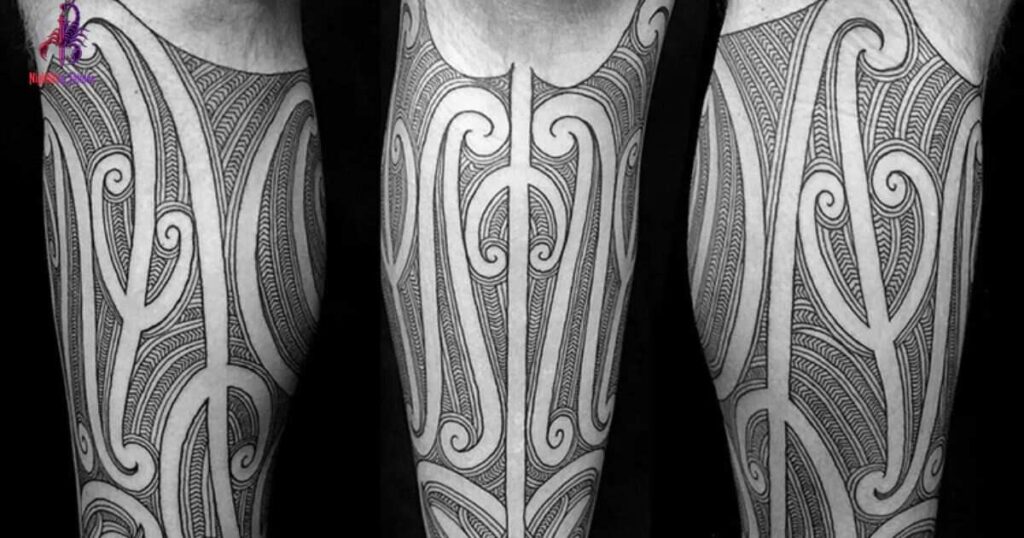
1. Maori Forearm Tattoo
A Maori forearm tattoo is a popular option for people who want a detailed design that remains visible. The forearm provides enough space for curved lines, repeated patterns, and geometric elements.
You can choose a narrow band around the forearm or a larger design that extends toward the wrist and elbow. Black ink works particularly well for creating strong contrast between filled shapes and open skin.
2. Maori Sleeve Tattoo
A Maori sleeve tattoo covers part or all of the arm with interconnected patterns. It can combine flowing lines, geometric shapes, and carefully arranged motifs into one continuous composition.
A half sleeve is suitable for people who want a detailed design without covering the entire arm. A full sleeve offers more room for a complex arrangement. Work with an experienced artist to ensure that the design flows naturally with your arm’s shape.
3. Maori Shoulder Tattoo
Shoulder tattoos often feature bold curves that follow the natural shape of the shoulder. Some designs extend across the upper chest or down the upper arm.
This placement works well for people who want a larger tattoo that can be covered by a shirt. The artist can adjust the size and direction of the patterns to suit your body.
4. Maori Chest Tattoo
A Maori-inspired chest tattoo can feature broad patterns across the upper chest or connect with a shoulder or sleeve design.
The chest offers a large canvas for detailed artwork. However, pain levels can vary, especially near the sternum and collarbone. Discuss the size, placement, and expected healing process with your tattoo artist before starting.
5. Maori Back Tattoo
The back provides plenty of space for large, detailed designs. A Maori-inspired back tattoo may use symmetrical arrangements, curved bands, and interconnected geometric patterns.
Some people choose a design that covers the upper back, while others prefer a larger composition extending toward the shoulders. Because traditional motifs can carry cultural significance, the design should be developed with appropriate cultural guidance.
6. Maori Leg Tattoo
A Maori leg tattoo can wrap around the calf, extend down the shin, or cover the thigh. Long, flowing patterns can follow the shape of the leg and create a balanced appearance.
A calf tattoo is a practical choice for people who want a medium-sized design. A thigh tattoo offers more room for detailed artwork and can remain hidden beneath clothing.
7. Small Maori Tattoo
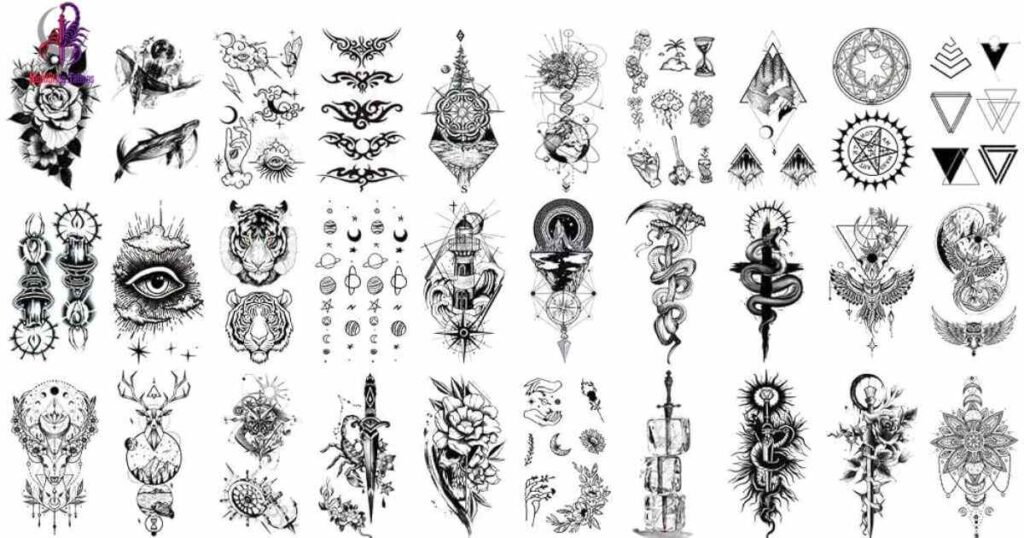
Small Maori-inspired tattoos are suitable for people who prefer simple body art. A compact design can feature a few geometric shapes or a carefully chosen pattern.
The wrist, ankle, and upper arm are common placements. However, intricate traditional patterns may lose detail when reduced too much, so ask your artist to create a design that will remain clear as it ages.
8. Maori Wrist Tattoo
A Maori wrist tattoo may feature a narrow band or a small arrangement of curved geometric shapes. It is a visible placement that works well with simple, bold designs.
Wrist tattoos can fade or blur over time because of their size, skin movement, and exposure. Choose an experienced artist who understands how to preserve clear lines in a small space.
9. Maori Tribal Tattoo
Maori-inspired tribal tattoos often use thick black lines, repeating shapes, and flowing patterns. They can be designed for the arm, shoulder, chest, or leg.
The term tribal tattoo covers many different Indigenous traditions. Maori designs have their own cultural origins, so avoid treating all tribal patterns as interchangeable. Research the specific tradition behind a design before choosing it.
10. Maori Band Tattoo
A Maori-inspired band tattoo wraps around the arm or leg. Its repeating patterns create a strong visual effect without requiring a large area.
Band tattoos can be narrow and minimal or wide and detailed. Because the pattern circles the body, careful alignment is important for a clean result.
Common Maori Tattoo Symbols and Their Meanings
Maori tattoo art includes many distinctive motifs. Their meanings can vary according to the artist, the community, and the design’s context.
| Symbol or motif | Commonly associated idea |
| Koru | New beginnings, growth, and renewal |
| Hei matau | Fishhook, traditionally associated with fishing, prosperity, and safe journeys |
| Manaia | A spiritual guardian figure in Maori art |
| Unaunahi | Fish-scale patterns, often associated with abundance or prosperity |
| Pakati | A pattern traditionally associated with dog-skin cloaks and sometimes discussed in connection with courage |
| Spiral patterns | Often interpreted in modern tattoo descriptions as growth or change |
These are general descriptions, not fixed translations for every tattoo. Traditional tā moko has meanings that cannot always be reduced to a single word or symbol.
Maori Koru Tattoo
The koru is inspired by the unfurling shape of a young fern frond. It is widely associated with new beginnings, renewal, and growth.
A koru tattoo can be designed as a single curved motif or incorporated into a larger composition. Its flowing shape works well on the wrist, forearm, shoulder, and ankle.
Although the koru is commonly used in contemporary Maori-inspired art, the meaning of a particular design can depend on its context.
Maori Fishhook Tattoo
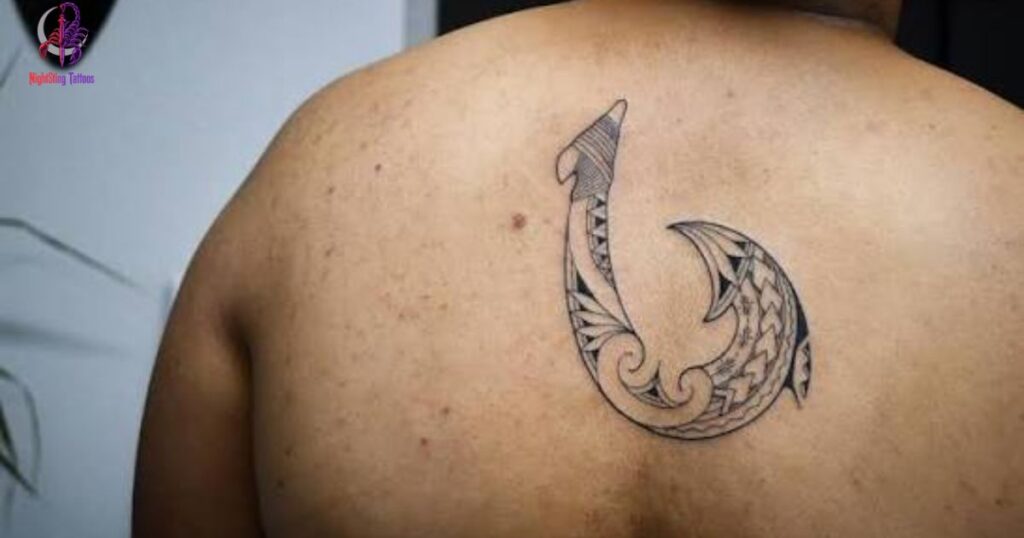
The hei matau is a fishhook-shaped pendant with important connections to Maori culture and the sea. It is often associated with fishing, prosperity, strength, and safe travel.
A fishhook-inspired tattoo may appeal to people who feel a strong connection to the ocean or outdoor adventures. Before choosing a specific design, learn about its cultural background and avoid assuming that every fishhook motif has the same meaning.
Maori Manaia Tattoo
The manaia is a spiritual figure found in Maori art. It is often described as a guardian or protective presence, although its appearance and interpretation can vary.
Manaia-inspired designs can be detailed and striking, particularly on the upper arm, shoulder, or calf. Because the figure has cultural significance, consult a Maori artist or knowledgeable cultural source before using a traditional representation.
Maori Tattoo Ideas for Men
Many men explore Maori-inspired tattoos because of their bold shapes and strong visual structure. Popular placements include the upper arm, shoulder, chest, and calf.
Design ideas include:
- Blackwork forearm patterns
- Shoulder-to-chest compositions
- Full-arm geometric sleeves
- Wide upper-arm bands
- Calf tattoos with flowing lines
- Large back compositions
- Minimalist designs with a few bold shapes
Choose a design based on your personal preferences rather than assuming that a particular pattern is exclusively for men. Tattoo suitability depends on the individual and the cultural context.
Maori Tattoo Ideas for Women
Maori-inspired tattoos can also be adapted to suit different body placements and personal styles. Some people prefer small, clean patterns, while others choose detailed sleeves or larger compositions.
Popular ideas include:
- Small wrist patterns
- Fine-line designs inspired by koru shapes
- Ankle bands
- Shoulder tattoos
- Upper-arm blackwork
- Calf patterns
- Minimalist geometric designs
Traditional tā moko is not simply a style that can be freely separated from Maori identity. If you want a culturally specific motif, seek advice from a knowledgeable Maori artist and understand its significance before getting tattooed.
Best Places to Get a Maori Tattoo
The best placement depends on the size of the design, the level of detail, your lifestyle, and how visible you want the tattoo to be.
| Placement | Best suited for |
| Forearm | Medium patterns and visible designs |
| Upper arm | Larger compositions and sleeve beginnings |
| Shoulder | Curved designs that follow the body’s shape |
| Chest | Broad, detailed artwork |
| Back | Large and complex compositions |
| Calf | Vertical or wraparound patterns |
| Wrist | Small, bold designs |
| Ankle | Compact bands and simple motifs |
| Thigh | Larger designs with room for detail |
Ask your artist to create a stencil and check how the design looks when you move. A pattern that appears balanced on paper may need adjustments to fit your body.
Does a Maori Tattoo Hurt?
Yes, getting a Maori tattoo can hurt, just like other tattoos. The level of discomfort depends on the placement, design size, session length, and your personal pain tolerance.
Areas with more muscle and padding may feel easier for some people. The ribs, sternum, ankles, and other bony areas can be more uncomfortable.
Large Maori-inspired sleeves may require several sessions because of their size and detail. Eat beforehand, stay hydrated, follow your artist’s preparation instructions, and take breaks when needed.
How Much Does a Maori Tattoo Cost?
The cost depends on the tattoo’s size, complexity, location, artist’s experience, and number of sessions. Detailed blackwork and custom designs generally require more time than small, simple tattoos.
| Tattoo size | General pricing consideration |
| Small | Usually takes less time and costs less |
| Medium | Depends on detail and placement |
| Half sleeve | Often requires a substantial time commitment |
| Full sleeve | May need multiple sessions |
| Large chest or back piece | Can require many hours or multiple appointments |
There is no universal price for a Maori tattoo. Request a quote from an experienced artist after discussing the design, placement, and cultural considerations.
How to Choose the Right Maori Tattoo Artist
Choosing the right artist is important for both the quality of the tattoo and respect for Maori culture.
- Review their portfolio: Look for consistent linework, clean blackwork, and designs suited to your preferred placement.
- Ask about cultural knowledge: Find out whether the artist understands the difference between traditional tā moko and contemporary Maori-inspired tattooing.
- Discuss the meaning: Ask which motifs are appropriate for your intended design and whether they have specific cultural significance.
- Check hygiene standards: The studio should follow local health regulations and use sterile equipment.
- Request a custom design: Explain your goals and give the artist room to develop an appropriate composition.
- Review the stencil: Check the placement, proportions, and flow before the tattoo begins.
An artist’s cultural knowledge matters as much as technical skill when working with traditional Maori motifs.
Relevant Post…………Smile Now Cry Later Tattoo: Meaning, Designs, Ideas, and Symbolism
Are Maori Tattoos Culturally Appropriate?
Maori tattoos have deep cultural significance, particularly traditional tā moko. Some designs are closely connected to ancestry, identity, and community. For this reason, it is important to learn about the tradition instead of choosing a design only because it looks attractive.
If you are not Maori but appreciate the art, consider learning from Maori artists and cultural educators. Ask for guidance before using traditional motifs, and respect an artist’s decision if a design is not appropriate for you.
You can also explore original geometric blackwork that reflects your personal story without copying culturally specific tā moko designs.
How to Care for a New Maori Tattoo
Proper aftercare helps your tattoo heal and protects its appearance.
- Follow the aftercare instructions provided by your tattoo artist.
- Wash the tattoo gently with clean hands and mild, fragrance-free soap when advised.
- Apply only the recommended aftercare product in the amount instructed.
- Avoid picking scabs or scratching peeling skin.
- Avoid swimming and soaking the tattoo until it has healed.
- Protect the healing tattoo from direct sunlight.
- Contact a healthcare professional if you develop spreading redness, worsening pain, pus, or fever.
Healing time varies depending on the tattoo’s size, location, and your skin. Follow professional advice if you have concerns during recovery.
Frequently Asked Questions
What does a Maori tattoo symbolize?
Maori tattoos can express identity, ancestry, family connections, and cultural history. Modern interpretations may also focus on strength, growth, and protection, but meanings depend on the specific design and its context.
What is the difference between Maori tattoo and Polynesian tattoo?
Maori tattooing belongs to the Indigenous Maori tradition of Aotearoa New Zealand. Polynesian tattooing is a broader term covering several distinct cultural traditions, each with its own designs, meanings, and practices.
Are Maori tattoos only for men?
No. People of different genders may have tattoos inspired by Maori art. Traditional tā moko has specific cultural meanings and practices that should be understood rather than reduced to fashion or gender-based design choices.
Which Maori tattoo is best for beginners?
A small, simple design inspired by geometric blackwork may be easier to plan than a large sleeve. Start by discussing your preferred style and its cultural context with an experienced artist.
Can I get a Maori tattoo without Maori ancestry?
People outside Maori communities may explore contemporary designs inspired by Polynesian art, but traditional tā moko carries cultural significance. Learn about the tradition, seek guidance from knowledgeable Maori artists, and avoid copying identity-specific designs without permission or understanding.
How long does a Maori sleeve tattoo take?
The time depends on the sleeve’s size, complexity, and the artist’s working pace. A detailed sleeve may require multiple sessions spread over several appointments.
Do Maori tattoos have to be black?
Traditional and contemporary Maori-inspired tattoos are widely recognized for their black patterns. Other colors can be used in modern tattoo art, but the choice should suit the design and respect its cultural origins.
Conclusion
Maori tattoo designs stand out because of their detailed patterns, flowing lines, and deep cultural connections. From forearm tattoos and full sleeves to koru-inspired artwork, there are many ways to explore this distinctive style.
Before choosing a design, take time to understand its background, consider the placement, and find an experienced artist who respects Maori culture. A thoughtful approach will help you choose body art that looks meaningful while honoring the tradition behind it.