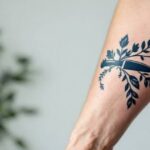
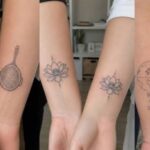
Botanical tattoo ideas are perfect for anyone who loves nature, flowers, leaves, and meaningful artwork. From delicate wildflower stems to detailed floral sleeves, botanical tattoos offer endless ways to express personal style. They can be small and simple or large and detailed, depending on your preferences.
Many people choose botanical tattoos because plants represent growth, renewal, strength, beauty, and connection to nature. Others simply appreciate their natural shapes and artistic details. Whether you prefer minimalist linework, realistic flowers, or bold blackwork, there is a botanical tattoo design for almost every taste.
In this guide, we will explore beautiful botanical tattoo ideas, their meanings, popular styles, ideal placements, and practical tips to help you choose a design that suits you.
Botanical Tattoo Ideas: Overview
| Feature | Details |
|---|---|
| Tattoo Theme | Nature, flowers, leaves, and plants |
| Common Meanings | Growth, renewal, beauty, resilience, and remembrance |
| Popular Designs | Roses, wildflowers, ferns, vines, and herbs |
| Popular Styles | Fine line, minimalist, realism, blackwork, and watercolor |
| Best Placements | Forearm, wrist, shoulder, ankle, ribs, and back |
| Suitable For | Anyone who enjoys nature-inspired artwork |
| Color Options | Black and gray, green accents, or full color |
| Design Sizes | Tiny tattoos, medium pieces, and large sleeves |
What Are Botanical Tattoos?
Botanical tattoos are designs inspired by plants and their natural features. They can include flowers, leaves, stems, vines, herbs, branches, seed pods, and other plant forms. Some designs closely resemble illustrations from a botanical book, while others use artistic shapes, geometric patterns, or abstract details.
Unlike tattoos that focus on one specific flower, botanical tattoos can combine several plant species into a single composition. For example, a design might feature a rose surrounded by fern leaves, or a collection of wildflowers connected by delicate stems.
The meaning of a botanical tattoo often depends on the plant selected and the wearer’s personal experiences. A flower may remind someone of a loved one, while a growing branch may represent a new chapter in life.
Botanical tattoos are also versatile. A single leaf can make a subtle wrist tattoo, while a detailed arrangement of flowers and foliage can become a full sleeve or back piece.
20 Beautiful Botanical Tattoo Ideas
If you are searching for botanical tattoo inspiration, these designs offer a range of options, from delicate and minimalist artwork to detailed nature-inspired compositions.
1. Fine Line Botanical Tattoo
Fine line botanical tattoos use thin, precise lines to create delicate flowers, leaves, and stems. They often resemble pencil drawings or illustrations from a plant encyclopedia.
A single branch with tiny leaves or a slender flower stem can create a refined design without requiring heavy shading. Fine line work is especially suitable for people who prefer understated tattoos.
Design ideas:
- A thin olive branch on the forearm
- A delicate flower stem along the collarbone
- A small botanical illustration on the wrist
- A fine line fern behind the ear
Fine line tattoos need thoughtful spacing and appropriate sizing. Very small details may become less distinct as the tattoo ages, so discuss long-term readability with your tattoo artist.
2. Wildflower Botanical Tattoo
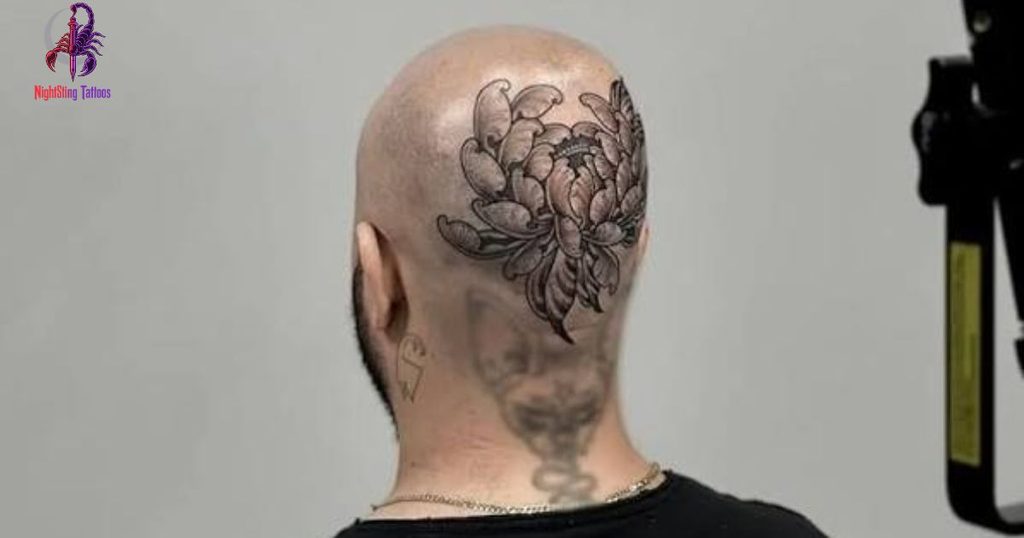
Wildflower tattoos feature naturally growing flowers arranged in loose, organic compositions. They can include daisies, poppies, lavender, cornflowers, and other seasonal blooms.
These designs often symbolize freedom, natural beauty, individuality, and personal growth. A wildflower tattoo may also represent a favorite place, a childhood memory, or a meaningful period in someone’s life.
Design ideas:
- A small wildflower bouquet on the forearm
- A field of flowers wrapping around the ankle
- Three different wildflowers connected by one stem
- A colorful wildflower arrangement on the upper arm
Wildflower designs work well in both black ink and soft colors.
Read Also: Tattoos Pictures: Beautiful Tattoo Ideas and Designs for Everyone
3. Rose Botanical Tattoo
Rose tattoos are classic floral designs that can be adapted into botanical artwork. Their layered petals, curved stems, and natural thorns provide plenty of detail for an artist to explore.
Roses are commonly associated with love, beauty, passion, and remembrance. However, their meaning can vary according to color, cultural associations, and personal interpretation.
Design ideas:
- A single rose with detailed leaves
- A fine line rosebud on the wrist
- A realistic rose with surrounding foliage
- A long rose stem extending along the forearm
For a more natural botanical appearance, consider including the rose’s leaves, stem, and thorns rather than focusing only on the bloom.
4. Fern Leaf Tattoo
Fern tattoos feature delicate fronds made up of many small leaflets. Their repeated patterns create attractive shapes that work especially well in fine line, blackwork, and botanical illustration styles.
Ferns may symbolize resilience, renewal, and a connection to the natural world. Their association with growth makes them an appealing option for people who appreciate quiet, meaningful designs.
Design ideas:
- A single fern frond along the inner forearm
- A curved fern behind the ear
- A detailed fern on the calf
- A pair of fern leaves on the shoulder blade
A longer fern design can follow the natural shape of an arm or leg.
5. Eucalyptus Branch Tattoo
Eucalyptus tattoos feature rounded or elongated leaves arranged along a slender branch. Their simple shapes make them suitable for minimalist designs as well as more detailed botanical illustrations.
Depending on the wearer, eucalyptus may represent calmness, renewal, healing, or an appreciation for plants. These associations are personal rather than universal.
Design ideas:
- A fine line eucalyptus branch on the collarbone
- A small circular eucalyptus sprig on the wrist
- A black-and-gray branch along the ribs
- Eucalyptus leaves combined with tiny flowers
The open spaces between the leaves can help keep the design visually clear.
6. Botanical Vine Tattoo
Vine tattoos use flowing stems and leaves to create movement across the skin. They can be wrapped around an arm or ankle, extended along the spine, or incorporated into a larger floral composition.
Vines may symbolize connection, persistence, growth, and the ability to adapt. Their twisting shapes also create opportunities for personalized designs.
Design ideas:
- A delicate vine wrapping around the forearm
- A leafy vine extending from the ankle toward the calf
- A climbing vine along the ribs
- A vine with small flowers and buds
When planning a vine tattoo, consider how the design will look when the body moves. A skilled artist can adapt its direction to follow your natural contours.
7. Minimalist Leaf Tattoo
A minimalist leaf tattoo is a simple choice for anyone who wants a small nature-inspired design. It may feature a single leaf, a short stem, or a few carefully placed lines.
The specific leaf can add personal significance. An oak leaf, maple leaf, olive branch, or fern frond can each create a different visual effect.
Design ideas:
- A tiny leaf on the wrist
- A single outline leaf on the ankle
- A small leaf behind the ear
- A minimal branch on the upper arm
This style is particularly useful when you want a design that is subtle and easy to personalize.
8. Botanical Sleeve Tattoo
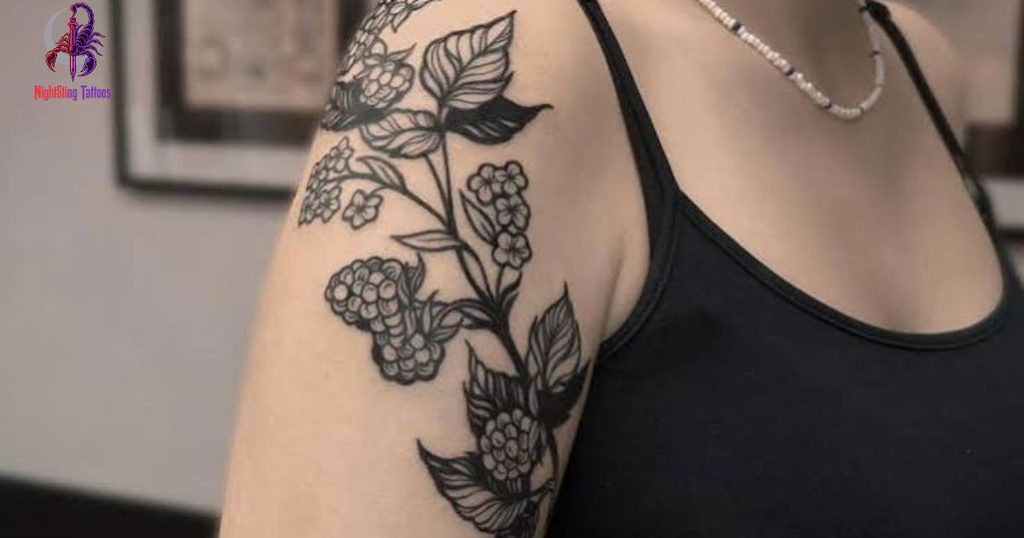
A botanical sleeve combines flowers, leaves, branches, and other plant elements into a larger composition covering much or all of the arm.
The design can feature one dominant flower surrounded by foliage, or it can bring together several different botanical subjects. Fine linework creates an airy appearance, while blackwork and realism offer stronger contrast and depth.
Design ideas:
- Roses and fern leaves extending from shoulder to wrist
- A wildflower garden with different stems and blooms
- Tropical leaves arranged around the upper arm
- A black-and-gray botanical sleeve with layered shading
A sleeve usually benefits from careful planning. Ask your artist to create a cohesive layout before beginning the tattoo, particularly if you want to add more plants over time.
9. Lavender Botanical Tattoo
Lavender tattoos feature slender stems and clusters of small flowers. Their recognizable shape makes them suitable for small tattoos, delicate linework, and larger botanical arrangements.
Lavender is often associated with calmness, relaxation, and serenity. Some people choose it to represent a peaceful memory or a personal connection to the plant.
Design ideas:
- A single lavender sprig on the wrist
- Two stems along the forearm
- A fine line lavender tattoo on the ankle
- Lavender combined with other meadow flowers
Purple accents can make the flowers recognizable, while black ink offers a simpler, more understated look.
10. Sunflower Botanical Tattoo
Sunflower tattoos combine a prominent flower head with a strong stem and broad leaves. Their circular centers and radiating petals make them visually striking.
Sunflowers are often associated with warmth, happiness, hope, and admiration. Their upright form also works well in vertical compositions.
Design ideas:
- A small sunflower with leaves on the upper arm
- A realistic sunflower on the shoulder
- A fine line sunflower on the forearm
- A sunflower surrounded by wildflowers
For detailed designs, choose a size that allows the center, petals, and leaves to remain visually distinct.
11. Botanical Birth Flower Tattoo
A birth flower tattoo uses a flower traditionally associated with a person’s birth month. It can be a personal alternative to a name, date, or other commemorative design.
Some people choose their own birth flower, while others combine the flowers associated with family members, partners, or children.
Design ideas:
- A single birth flower on the wrist
- Two family birth flowers joined by one stem
- A bouquet representing several loved ones
- Birth flowers arranged vertically along the forearm
Because different traditions sometimes assign different flowers to the same month, confirm the flower you want before finalizing the design.
12. Olive Branch Tattoo
An olive branch tattoo features narrow leaves growing along a curved stem. It is recognizable, elegant, and suitable for both small and medium-sized designs.
Olive branches have longstanding associations with peace and reconciliation. They may also carry personal meanings connected to family, heritage, or important life events.
Design ideas:
- A single olive branch on the forearm
- A small curved branch on the collarbone
- Two olive branches forming a circular shape
- An olive branch extending along the ribs
The design can remain simple or include realistic leaf shading for additional depth.
13. Blackwork Botanical Tattoo
Blackwork botanical tattoos use black ink, strong outlines, solid areas, and contrasting negative space. They can look bold and graphic while retaining the organic shapes of plants.
This style is suitable for people who prefer darker artwork rather than soft, delicate floral designs.
Design ideas:
- Dark leaves surrounding a flower
- A bold fern frond on the calf
- Black roses with detailed foliage
- A dense botanical arrangement on the upper arm
Blackwork can be adapted to small designs, but larger compositions provide more room for intricate patterns and layered shapes.
14. Botanical Illustration Tattoo
Botanical illustration tattoos resemble detailed plant drawings found in scientific books, field guides, or vintage botanical prints.
They may show the flower, stem, leaves, buds, and seed pods in a carefully arranged composition. Some designs also include small labels or decorative borders.
Design ideas:
- A labeled vintage flower illustration
- A complete plant with roots and leaves
- A botanical study of a fern
- Several pressed-flower illustrations arranged vertically
This approach suits people who enjoy plant identification, gardening, natural history, or traditional illustration.
15. Mushroom and Botanical Tattoo
Mushrooms and fungi can add an unusual element to botanical-inspired artwork. They pair naturally with moss, leaves, wildflowers, and woodland plants.
Depending on the design, mushrooms may represent nature’s cycles, transformation, mystery, or an interest in woodland environments. Their meanings vary from person to person.
Design ideas:
- A small mushroom surrounded by leaves
- Mushrooms growing beside a fern
- A woodland scene with flowers and fungi
- A detailed mushroom cluster on the forearm
This theme can be playful, realistic, whimsical, or dark depending on the artist’s approach.
16. Botanical Mandala Tattoo
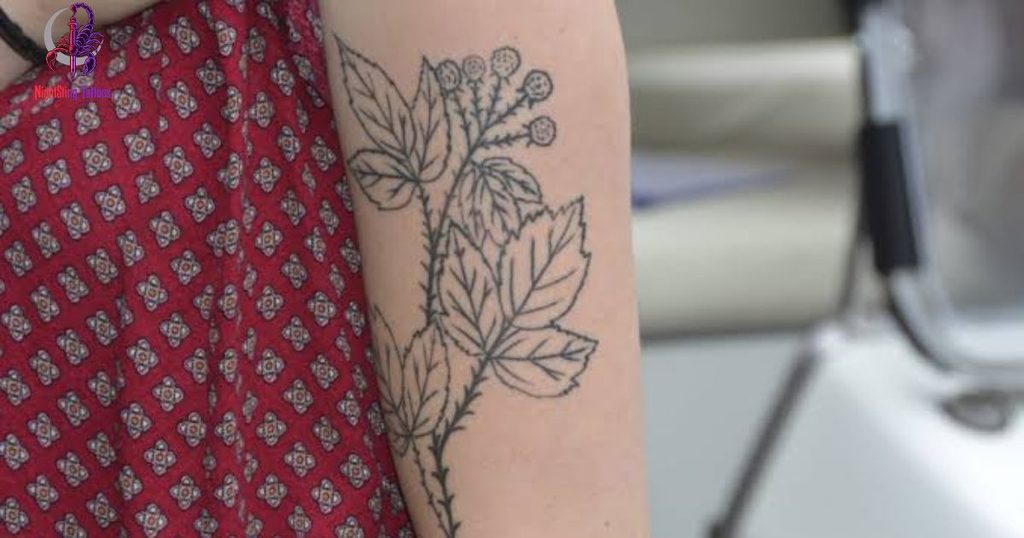
A botanical mandala combines plant-inspired shapes with symmetrical patterns. Flowers, petals, and leaves are arranged around a central point to create a balanced design.
Some people choose these tattoos for their decorative appearance, while others associate the circular structure with harmony, reflection, or personal balance.
Design ideas:
- A floral mandala on the upper back
- A symmetrical flower on the shoulder
- A leaf mandala on the thigh
- A geometric flower surrounded by fine line foliage
The design usually needs enough space for its repeating details to remain distinct.
17. Pressed Flower Tattoo
Pressed flower tattoos imitate the appearance of preserved flowers arranged on paper. They may feature flattened blooms, thin stems, and leaves positioned like a botanical collection.
These designs can evoke memories, keepsakes, nature walks, or meaningful moments connected to a particular flower.
Design ideas:
- Three pressed flowers along the forearm
- A small preserved-flower arrangement on the ribs
- A birth flower paired with a tiny leaf
- A vertical composition of flowers and stems
Pressed-flower tattoos often look attractive in fine line or soft black-and-gray shading.
18. Tropical Botanical Tattoo
Tropical botanical tattoos feature plants such as monstera, palm, banana, and other broad-leaf varieties. Their large shapes create a distinctive look compared with delicate wildflower designs.
These tattoos may represent travel, a connection to a tropical location, or an appreciation for lush plant life.
Design ideas:
- A monstera leaf on the upper arm
- Palm leaves wrapping around the ankle
- A tropical foliage composition on the shoulder
- Large leaves extending across the ribs
Bold leaf silhouettes can work particularly well in blackwork, while green accents provide a more colorful appearance.
19. Botanical Rib Tattoo
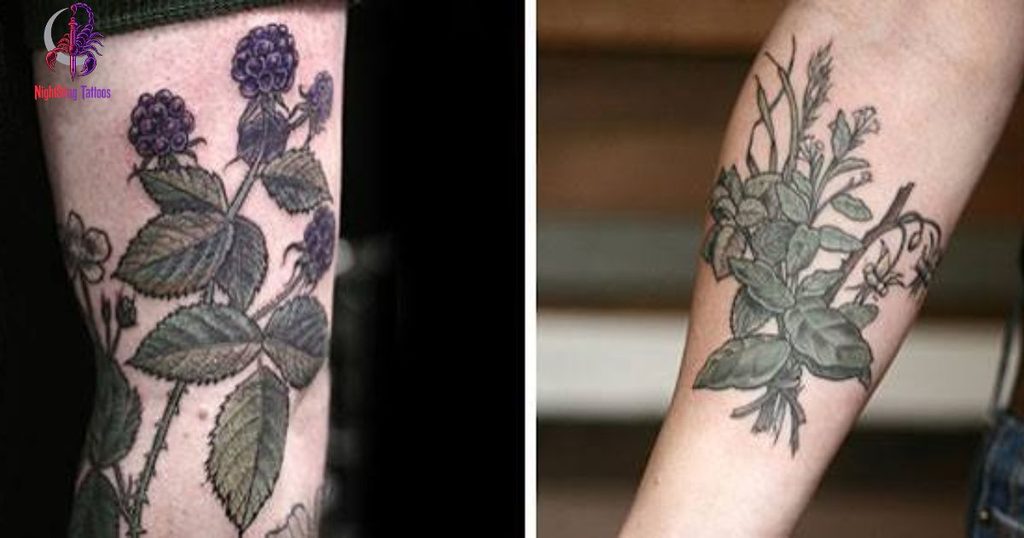
The ribs offer room for long stems, flowing vines, and vertical floral compositions. A botanical rib tattoo can feature a single plant or an arrangement that extends along the body’s natural curves.
Design ideas:
- A long wildflower stem
- A climbing rose branch
- A vertical arrangement of lavender and leaves
- A fine line vine with small blossoms
Rib tattoos can be painful because the area is close to bone and contains sensitive skin. Consider the size, placement, and expected session length before committing to a detailed design.
20. Personalized Botanical Bouquet Tattoo
A personalized bouquet combines different plants into one design. You might select flowers connected to family members, meaningful occasions, favorite gardens, or places you have visited.
This approach allows the tattoo to tell a personal story without relying on words.
Design ideas:
- A bouquet of family birth flowers
- Favorite wildflowers tied together with a ribbon
- Roses mixed with eucalyptus and fern leaves
- A seasonal bouquet inspired by a meaningful location
Choose plants that complement one another in shape and scale. Your artist can simplify some details so every flower remains recognizable.
Botanical Tattoo Meanings
Botanical tattoos can carry a wide range of meanings. The interpretation depends on the plant, cultural background, design, and personal story behind the tattoo.
| Botanical Design | Common Associations |
|---|---|
| Rose | Love, beauty, passion, remembrance |
| Sunflower | Happiness, warmth, hope |
| Lavender | Calmness, peace, relaxation |
| Olive branch | Peace, reconciliation |
| Fern | Resilience, renewal, nature |
| Wildflowers | Freedom, individuality, natural beauty |
| Vine | Growth, connection, persistence |
| Oak leaves | Strength, endurance, nature |
| Lotus | Renewal, perseverance, spiritual growth |
| Eucalyptus | Calmness, renewal, personal meaning |
| Birth flowers | Identity, family, remembrance |
| Mushroom | Transformation, mystery, nature’s cycles |
These are common symbolic associations rather than fixed definitions. You can choose a plant because of its traditional meaning, a personal memory, or simply its appearance.
Botanical Tattoo Ideas for Women
Botanical tattoos are often chosen for their delicate lines, natural movement, and variety of floral forms. However, no botanical design is limited to a particular gender. The best choice depends on personal taste.
Here are some ideas for people who prefer softer or more delicate compositions:
- Fine line wildflowers: Small blooms with thin stems and minimal shading.
- Lavender sprig: A slender design for the wrist, ankle, or forearm.
- Birth flower bouquet: A personal arrangement representing family or important relationships.
- Tiny eucalyptus branch: A simple leaf design with an airy appearance.
- Floral collarbone tattoo: A curved arrangement that follows the collarbone.
- Pressed flowers: A vintage-inspired design with delicate details.
- Botanical rib tattoo: A vertical composition featuring flowers and foliage.
Black ink keeps these designs understated, while muted colors can add a more natural appearance.
Botanical Tattoo Ideas for Men
Botanical tattoos can also be bold, structured, and detailed. Strong silhouettes, darker shading, and larger compositions offer different ways to explore plant-inspired artwork.
Consider these ideas:
- Blackwork fern: A dark, detailed frond on the forearm or calf.
- Oak branch: A design associated with strength and endurance.
- Botanical sleeve: A combination of leaves, branches, and flowers.
- Realistic rose: A detailed flower with shaded petals and visible thorns.
- Tropical foliage: Large leaves arranged across the upper arm or shoulder.
- Olive branch: A clean, elongated design with a simple silhouette.
- Woodland botanical scene: Ferns, mushrooms, moss, and other forest-inspired elements.
The overall look depends more on the style and composition than on the plant itself. Fine line, realism, and blackwork can all work for any wearer.
Best Placements for Botanical Tattoos
Plant shapes can follow the natural lines of the body, making placement an important part of the design process.
1. Forearm
The forearm works well for vertical stems, wildflowers, and branches. It offers a relatively visible area where the design can be appreciated easily.
2. Wrist
The wrist suits small leaves, tiny flowers, and short botanical sprigs. Designs with fewer fine details are generally easier to read at this scale.
3. Ankle
A small vine or narrow flower stem can follow the ankle’s shape. Keep footwear friction and the tattoo’s visibility in mind.
4. Collarbone
The collarbone can accommodate a curved branch, a small floral arrangement, or a delicate stem. This placement is suitable for designs that follow the body’s natural lines.
5. Shoulder
The shoulder provides room for rounded flower compositions, leaves, and larger botanical artwork. It can also connect naturally to an upper-arm tattoo.
6. Upper Arm
The upper arm is a flexible placement for botanical illustrations, realistic flowers, and medium-sized arrangements. It also offers space to expand a design later.
7. Ribs
The ribs suit elongated flowers, climbing vines, and larger vertical compositions. However, this area can be more painful to tattoo than some fleshier placements.
8. Thigh
The thigh offers a larger canvas for detailed bouquets, realistic plants, and botanical scenes. It can accommodate more elaborate artwork without forcing the design into a small space.
9. Back and Shoulder Blade
The back provides space for symmetrical floral compositions, botanical branches, and larger illustrations. A shoulder-blade tattoo can also be designed to extend toward the upper arm.
10. Behind the Ear
A tiny leaf, flower, or short stem can fit behind the ear. Because the area is small, simple shapes are generally more suitable than intricate arrangements.
Popular Botanical Tattoo Styles
The same plant can look completely different depending on the tattoo style. Consider the following approaches before choosing your final design.
Fine Line
Fine line tattoos use delicate outlines and restrained shading. They are suitable for small flowers, thin stems, leaves, and botanical sketches.
Minimalist
Minimalist botanical tattoos reduce a plant to its essential shape. They often use a single outline, a few leaves, or a short stem.
Blackwork
Blackwork relies on black ink, strong contrast, and negative space. It can make leaves and flowers appear bold and graphic.
Black and Gray Realism
This style uses shading and tonal variation to create a lifelike appearance. It is especially useful for detailed petals, leaf textures, and layered bouquets.
Color Botanical Tattoos
Color designs use shades inspired by real plants or an artistic palette. Green leaves, purple lavender, yellow sunflowers, and red roses can make individual species more recognizable.
Watercolor
Watercolor-inspired tattoos use soft color transitions and painterly effects. They can create an expressive appearance, although pale colors may become less visible over time.
Geometric Botanical
Geometric botanical designs combine plant forms with circles, lines, symmetry, or other structured shapes. This approach can work well for ornamental flowers and mandala compositions.
How to Choose the Right Botanical Tattoo
Choosing a botanical tattoo involves more than finding an attractive reference image. The design should suit your preferences, intended placement, and desired level of detail.
1. Select a Plant That Appeals to You
Start with a flower, leaf, herb, or plant you genuinely like. It could be your favorite flower, a plant from your childhood garden, or a species connected to a memorable place.
2. Decide What the Tattoo Should Represent
Think about whether you want a symbolic design or a purely decorative one. You might choose a rose for remembrance, an olive branch for peace, or a wildflower because you like its natural appearance.
You do not need to assign a deep meaning to your tattoo if aesthetics are your main priority.
3. Choose the Appropriate Size
Small designs work well for simple silhouettes and a limited number of details. Larger designs allow for intricate petals, leaf veins, shading, and multiple plant species.
Avoid squeezing too many tiny details into a very small space.
4. Match the Style to the Plant
Some subjects naturally suit particular approaches. Ferns can look attractive in fine line or blackwork, while roses can work in nearly every style. Realistic bouquets generally require more room than simple outlines.
5. Think About Placement
Consider whether you want your tattoo to be visible or easy to cover. Also think about how the plant’s shape will follow the body’s contours.
A long stem may suit the forearm, while a rounded flower composition may fit the shoulder or thigh.
6. Personalize the Reference
Use reference images for inspiration rather than expecting an exact copy. Your artist can adjust the arrangement, proportions, and details to create a design suited to your body.
7. Consider Long-Term Readability
Tattoo lines and shading change as skin ages. A design with sufficient spacing and clear shapes may remain easier to recognize than one packed with tiny details.
Discuss line weight, size, and expected aging with an experienced artist before finalizing the artwork.
Tips for Keeping Your Botanical Tattoo Looking Good
Good planning and aftercare can help protect your tattoo’s appearance.
- Choose an experienced artist: Look for a portfolio that includes the botanical style you want.
- Avoid overcrowding: Leave enough space between petals, leaves, and stems.
- Follow aftercare instructions: Keep the tattoo clean and follow your artist’s healing guidance.
- Protect the tattoo from sunlight: Once healed, use appropriate sun protection to help reduce fading.
- Allow enough room for detail: Do not reduce a complex design simply to make it fit a tiny placement.
- Plan future additions: If you want a sleeve or a larger botanical collection, consider how new elements might connect with the original design.
- Discuss touch-ups: Some tattoos may need touch-ups depending on their style, placement, healing, and exposure.
A professional tattoo artist can help balance delicate detail with a design that remains recognizable over time.
Frequently Asked Questions About Botanical Tattoo Ideas
What do botanical tattoos symbolize?
Botanical tattoos commonly represent growth, renewal, beauty, resilience, remembrance, and connection to nature. The exact meaning depends on the plant and the wearer’s personal interpretation.
What are the most popular botanical tattoo ideas?
Popular ideas include roses, wildflowers, lavender, fern leaves, eucalyptus branches, olive branches, birth flowers, and botanical sleeves. Minimalist leaf designs are also popular among people who prefer smaller tattoos.
Are botanical tattoos suitable for small designs?
Yes. A single leaf, a small flower, or a short sprig can make an effective small tattoo. Designs with fewer details are generally more suitable for tiny placements than complex bouquets.
Are botanical tattoos only for women?
No. Botanical tattoos suit people of all genders. Fine line flowers, bold blackwork leaves, realistic roses, and large botanical sleeves can all be adapted to individual preferences.
Which placement is best for a botanical tattoo?
The forearm is useful for vertical stems and branches, while the shoulder and thigh offer room for larger compositions. The wrist and ankle suit smaller designs, and the ribs can accommodate long, flowing arrangements.
There is no single best placement for everyone. Consider visibility, available space, comfort, and the shape of the design.
Do botanical tattoos have to be colorful?
No. Black ink and black-and-gray shading can capture botanical shapes beautifully. Color is optional and can be used to highlight particular flowers, leaves, or other plant details.
Do fine line botanical tattoos age well?
Fine line tattoos can soften as ink spreads naturally within the skin. Their long-term appearance depends on factors such as line weight, spacing, placement, sun exposure, and aftercare. Your artist can recommend a suitable size and level of detail.
Can I combine different flowers in one botanical tattoo?
Yes. You can combine flowers, leaves, herbs, and branches into a bouquet or larger composition. Choose plants with complementary shapes and give each element enough room to remain recognizable.
What is the difference between floral and botanical tattoos?
Floral tattoos focus primarily on flowers and floral arrangements. Botanical tattoos can include flowers but also encompass leaves, herbs, vines, branches, seed pods, and other plant forms. The categories overlap considerably.
How do I make my botanical tattoo unique?
Choose plants connected to your interests or experiences, combine meaningful species, and work with an artist to develop a custom arrangement. You can also personalize the linework, composition, size, and placement.
Conclusion
Botanical tattoo ideas offer a versatile way to bring nature-inspired artwork to your skin. From minimalist leaf tattoos and delicate wildflowers to realistic roses and full botanical sleeves, there are designs for a wide range of personal styles.
The right tattoo may be a plant with a meaningful history, a flower that reminds you of someone special, or a simple design that you enjoy looking at every day. Consider the plant, artistic style, placement, and level of detail before making your decision.
Take inspiration from botanical illustrations and tattoo references, then work with an experienced artist to create a design that feels personal and suits your body. With thoughtful planning, your botanical tattoo can become a distinctive piece of art that reflects your appreciation for nature.